

Oversight Board
The new Oversight Board is part of state legislation approved for Memphis-Shelby County Schools. Its purpose is to enhance accountability, improve oversight, and ensure consistent follow-through within the district. The main goal is to ensure that decisions are made responsibly, funds are utilized appropriately, and that the focus remains on improving student outcomes.
The board is mandated to remain in place for a minimum of four years. If Memphis-Shelby County Schools has not demonstrated sufficient progress after this period, the state has the option to extend the board's oversight for an additional two years.
The goal of the Oversight Board is not to establish a permanent structure but to guide the district toward a stronger path and ensure that the existing systems are effective.

Local Membership
The board will have 9 members.
Members will be appointed by state leaders:
5 by the Governor
2 by the Speaker of the House
2 by the Speaker of the Senate
The law calls for members with relevant experience in areas such as education, finance, facilities, health, management, data, and evaluation. It also encourages the inclusion of people with strong ties to the community, including business and civic leaders.
Advisory Board
-
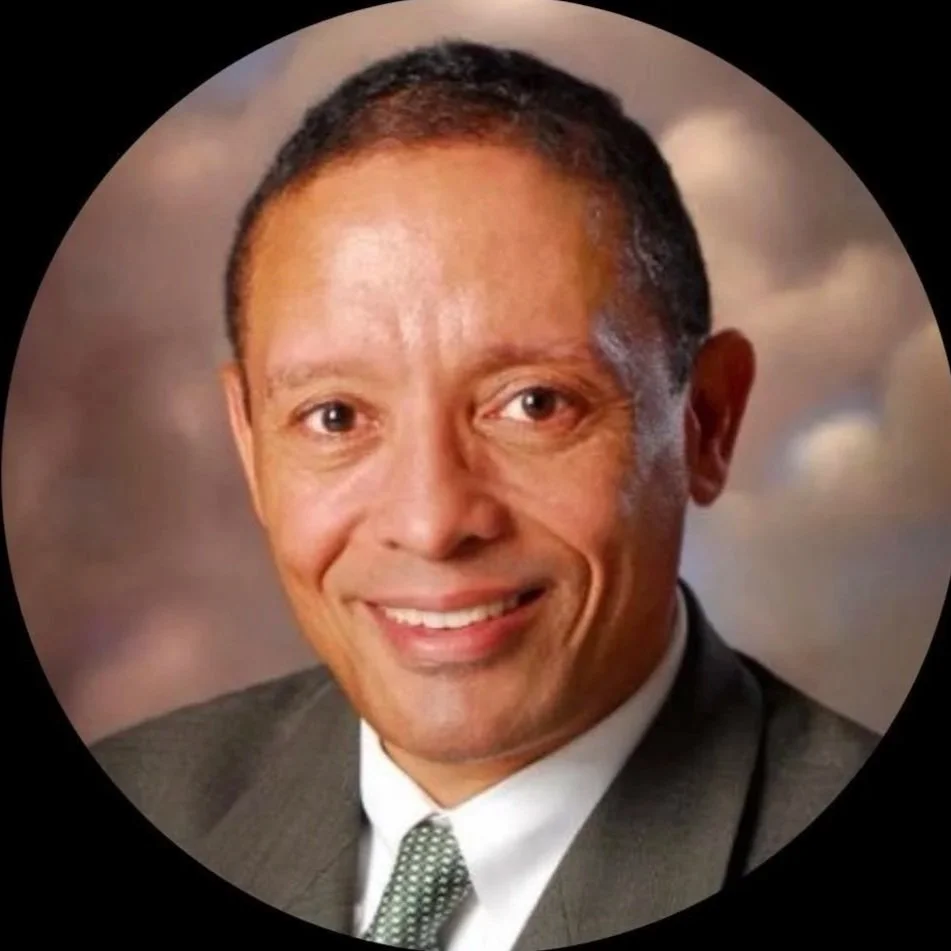
Dedrick Brittenum Jr.
-

Tyrone Burroughs
-
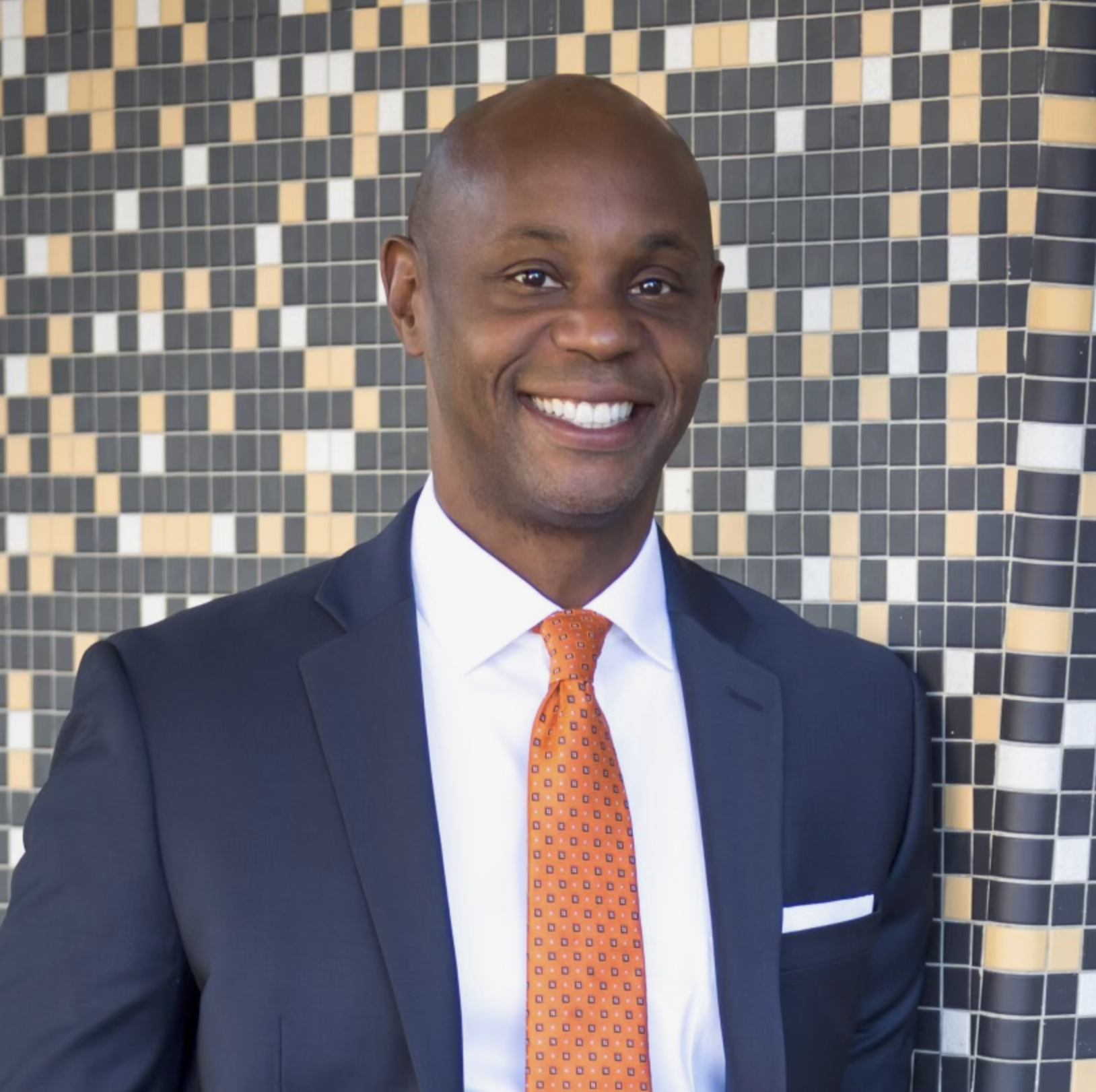
Dorsey Hopson
-

David Mansouri
-
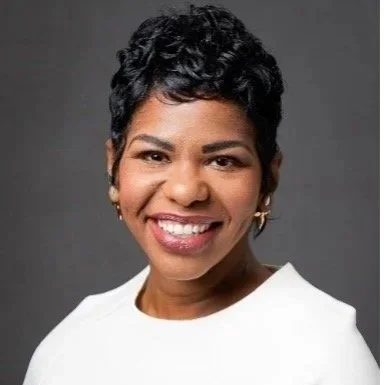
Shanea McKinney
-
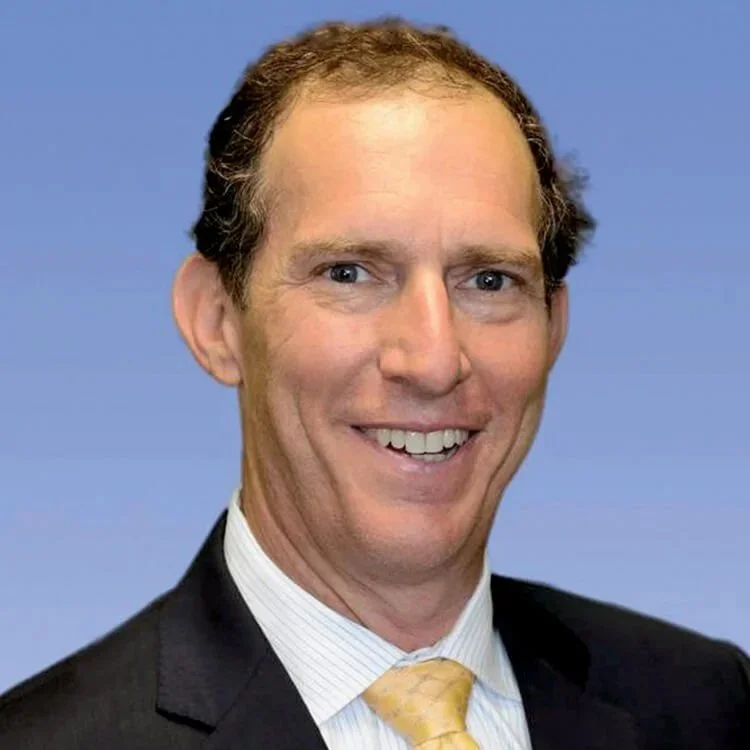
Billy Orgel
-

Nisha Powers
-
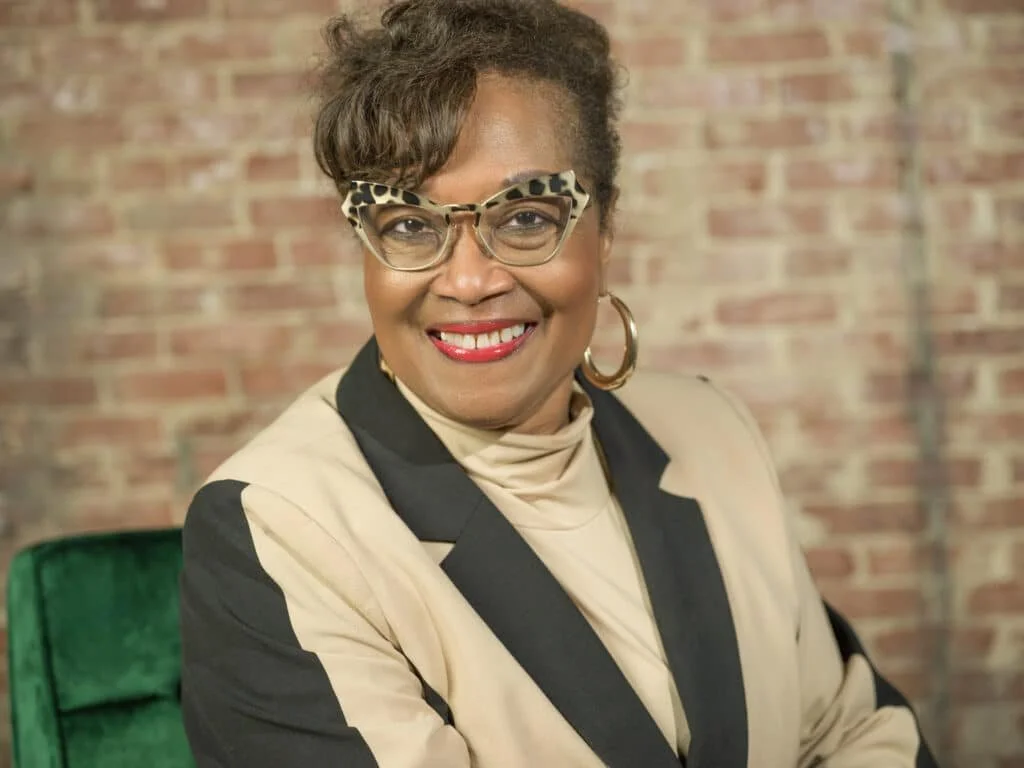
Beverly Robertson
Main Responsibilities
The Oversight Board will help review how the district is operating and where changes are needed. Responsibilities include:
reviewing the district budget before it moves forward
reviewing major contracts and spending decisions over $50,000
conducting a yearly needs assessment of the district
developing a transformation plan with goals and benchmarks
updating that plan each year
tracking progress and reporting it regularly
The board’s work is meant to bring more structure and accountability to how the district functions.

Areas of Review
Its yearly review includes:
teacher quality and retention
principal effectiveness
class size compliance
textbooks, curriculum, and instructional materials
parent involvement strategies
mentoring and professional development
student demographics and special populations
discipline and school safety
financial statements and accounting practices
building and facility needs
available grant opportunities
This is intended to give a full picture of what is working, what is not, and where support is needed.